%404x.avif)
.jpeg)
The Best Massage For Back Pain (And Why It Works)
If you’ve ever gotten out of bed with a sore lower back, you know back pain is more than just a hassle. It interrupts your sleep, your workouts, your work, and your patience with everyone around you. Most people try heat, ibuprofen, a foam roller, maybe a chiropractor, and still wake up sore the next morning.
Massage therapy is one of the most recommended non-drug options for back pain, and the research backs it up, but not every massage is created equal. The "deep tissue" massage you booked last spring is not the same as clinical massage. Clinical massage focuses on assessing and fixing specific issues.
This guide explains which type of massage works best for back pain, why it works, and what the science says so the next time you book, you book the right thing.
Why Back Pain Is So Stubborn
Roughly 80% of adults will experience low back pain at some point. The reason it lingers is that back pain rarely has just one cause. Most cases involve some combination of:
- Tight, shortened muscles (often from prolonged sitting)
- Trigger points refer pain to nearby areas
- Restricted fascia limits how the spine moves
- Compensatory patterns from old injuries
- Underlying joint, disc, or nerve issues
A "feel-good" massage that just kneads your shoulders for 60 minutes won't address those mechanical issues. To actually move the needle on chronic back pain, you need a therapist who assesses why your back hurts and treats the structures driving it. The reason it lingers is that back pain rarely has just one cause. Most cases involve some combination of:
The Best Massage for Back Pain: Orthopedic Massage
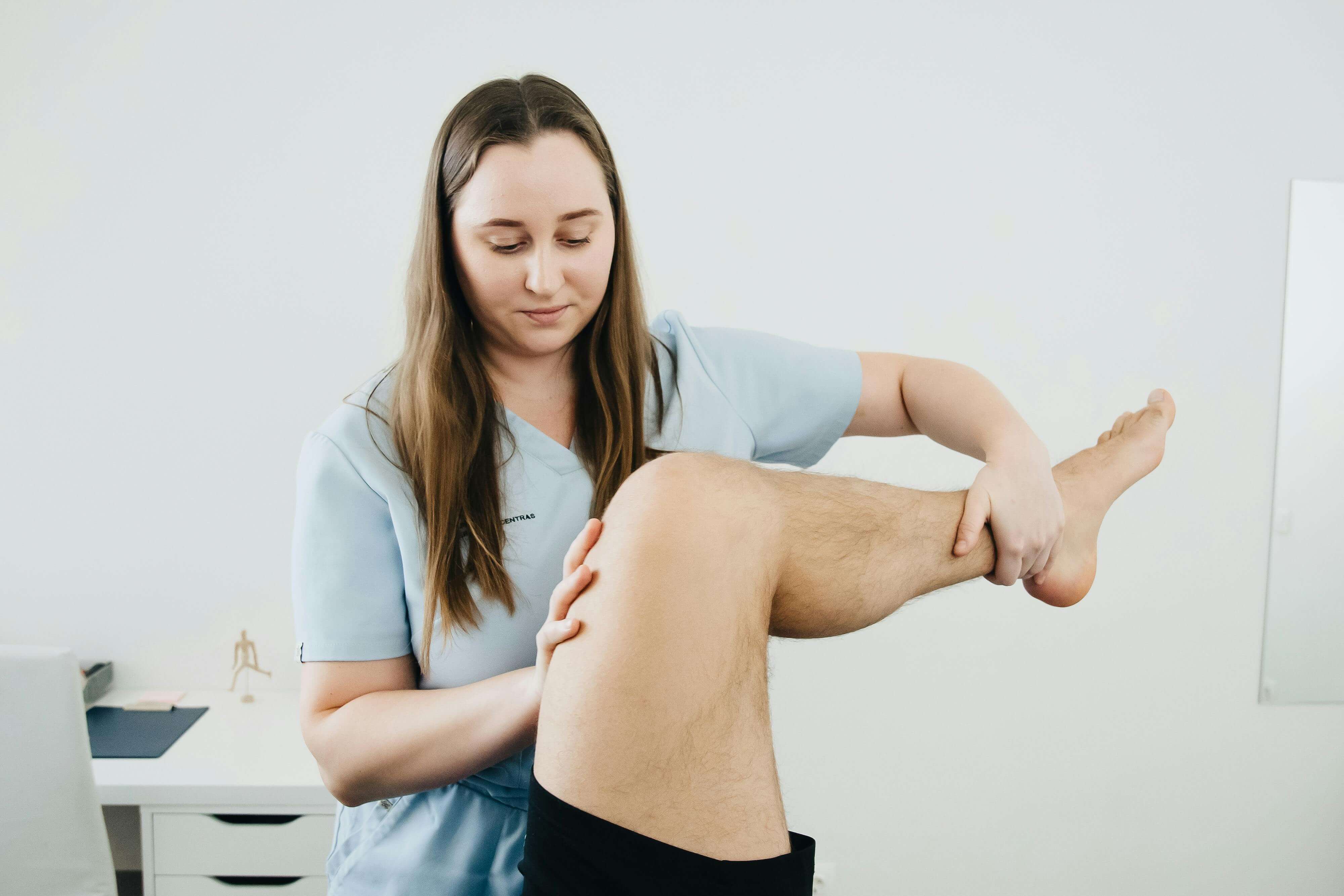
For many with chronic back pain, orthopedic massage is the best-supported choice. Orthopedic massage is a clinical, assessment-first style that combines:
- Range of motion and postural assessment before treatment
- Targeted soft-tissue work on the specific muscles and fascia driving your pain
- Trigger-point release, myofascial release, and gentle joint mobilization
- Stretches and homework you do between sessions
It's not a relaxation massage with a fancier name. The therapist is identifying which structures are dysfunctional. They treat those specifically, not just whatever feels tight to the touch.
Other styles that can support back-pain recovery and when they fit:
- Deep tissue massage is useful for releasing chronically shortened muscles through sustained pressure. However, it is a technique, not a comprehensive treatment plan. Best when integrated into orthopedic work, not as the whole session
- Myofascial release is great for easing connective tissue issues in chronic back pain. It often works well with orthopedic massage.
- Thai massage — combines assisted stretching with rhythmic compression. A strong fit for people whose back pain is driven by hip, hamstring, or thoracic mobility limitations
- Integrative therapeutic massage — blends modalities based on what your body needs that day. A good choice if your pain pattern shifts from week to week
What you usually don't want for clinical back pain: a 60-minute Swedish relaxation session. It feels great in the moment, but doesn't change the tissue dysfunction underneath.
What the Research Says
Massage for low back pain has been studied more than almost any other complementary therapy.
A 2015 Cochrane systematic review of 25 randomized controlled trials concluded that massage may be helpful for sub-acute and chronic non-specific low back pain, particularly for short-term improvements in pain and function (Furlan AD et al., 2015 — PubMed).
Cochrane reviews are the gold standard in evidence-based medicine, so this finding carries real weight—even though the authors flagged that more high-quality trials are still needed.
A landmark 2011 randomized controlled trial published in the Annals of Internal Medicine compared structural massage, relaxation massage, and usual care in 401 adults with chronic low back pain.
Both massage groups had significantly better function and less pain than usual care at 10 weeks — and the benefits persisted for up to a year (Cherkin DC, et al., 2011 — PubMed). Notably, structural massage (the closest cousin to orthopedic massage) and relaxation massage performed similarly in that trial, suggesting that consistent, skilled hands-on care is what moves the needle.
The National Center for Complementary and Integrative Health (part of NIH) summarizes the broader evidence on its public information page, noting that massage's strongest evidence base sits in low back pain, neck pain, and chronic pain conditions.
Translation: massage for back pain isn't woo. It's one of the better-studied non-drug options available — when you book the right kind.
What to Expect at Your First Session
A real medical-massage appointment for back pain in Allentown looks like this:
1. Intake and assessment. Your therapist asks about your history, watches you move, and checks your range of motion. This is where the difference between a spa massage and a clinical session is most obvious.
2. Targeted treatment: 45–60 minutes of focused work on the muscles, fascia, and trigger points identified in the assessment. This is not a full-body rubdown.
3. At-home plan: Two or three stretches, a posture cue, or a self-release technique to do between sessions.
4. Reassessment and replan. At follow-ups, your therapist rechecks the structures that were driving your pain and adjusts the plan.
For a first episode of back pain, most people enjoy four to six weekly sessions, then taper off.
Self-Care Between Sessions
Massage works best when you're not undoing it the rest of the week. A few high-leverage habits:
- Get up and move every 30–45 minutes if you sit for work
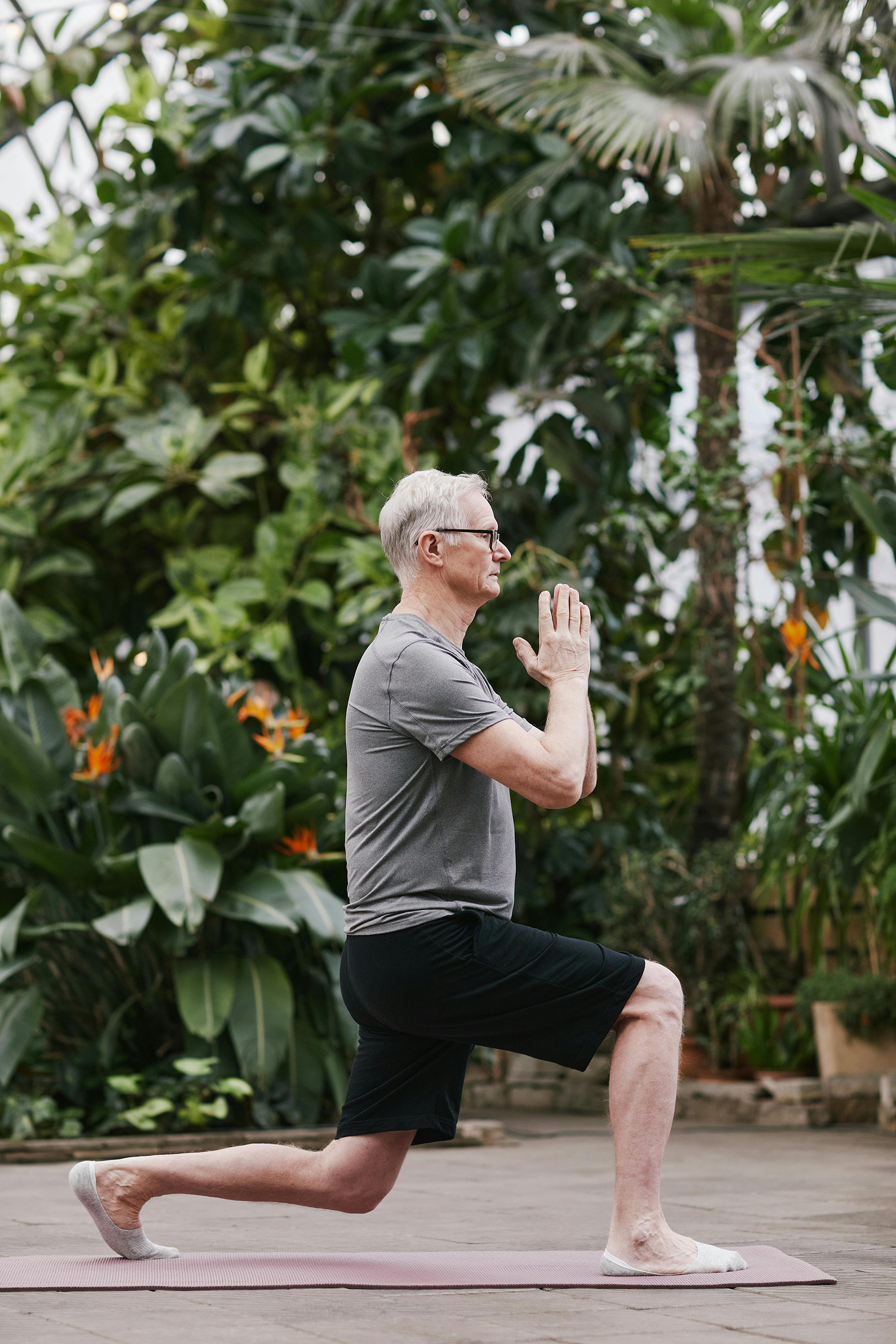
- Ten minutes of gentle mobility daily (cat-cow, hip openers, thoracic rotations)
- Sleep on your side with a pillow between your knees, not flat on your stomach
- Walk daily, even if just for 15 minutes
- Stay hydrated; fascia is mostly water
Ready to Experience Relief? Book Your Appointment Today
If back pain has been running your life, you don't have to keep guessing at solutions. At Allentown Medical Massage, we use orthopedic, assessment-driven massage. This helps us find and treat the sources of your pain.
Our approach is supported by research and hundreds of five-star client outcomes. Book your appointment today and start moving like yourself again!
Recent Articles

Move Better. Live Stronger.
We provide more than just a massage. We offer a science-backed approach to healing. If pain has been holding you back, now is the time to take the next step. Our expert, personalized care is designed to help you move freely, feel stronger, and reclaim the life you love.